Top Apex Deck Builders Round Rock for Covered Patios
Decks Overlooking Stunning Views: Design Tips for Scenic Spots
Creating decks in scenic locations presents unique opportunities and challenges. Thoughtful placement can enhance natural light and views. Picking configurations and components that complement the surroundings is important. Privacy considerations regularly come up, demanding careful vegetation placement. All of these components work toward a enjoyable and purposeful outdoor environment. Grasping these elements can transform the overall experience. What important aspects should be considered for optimal design?
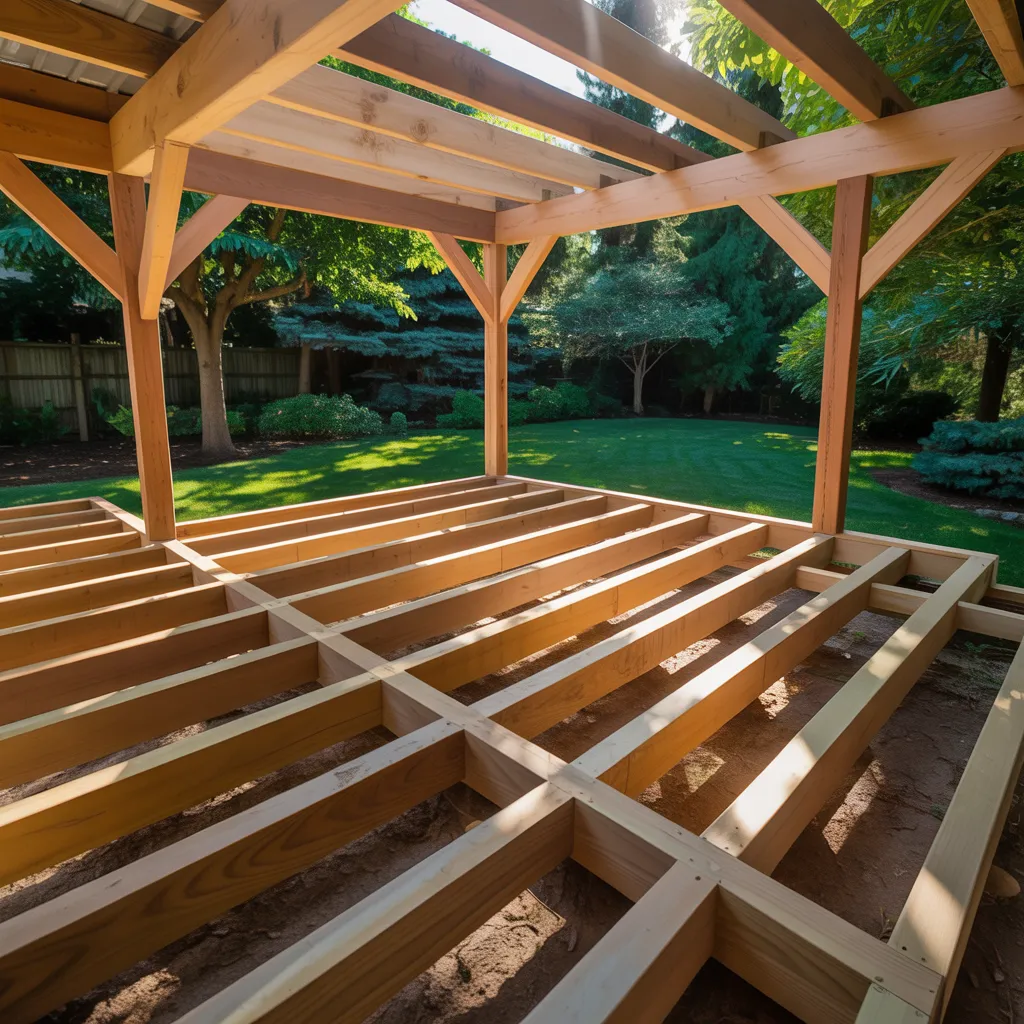
Typical Obstacles in Deck Design
Creating beautiful decks commonly introduces a number of obstacles that can hinder the endeavor. One significant issue is the topography; sloped land can hinder the structural support, requiring extra structural measures. Furthermore, the adjacent surroundings must be taken into account, such as surrounding plant life and wildlife, which can alter both visual appeal and performance. Climatic factors also present difficulties; decks in locations with severe climate conditions or abundant rain require careful planning to ensure strength and reliable safety.
A further barrier comes from regional building ordinances and zoning requirements, which often enforce constraints on the size, height, or materials of a deck. These regulations can limit design flexibility and require thorough research before proceeding. Additionally, striking a balance between visual appeal and functionality can be challenging, as designers aim to create visually appealing spaces while also making sure they remain functional and accessible. Tackling these difficulties calls for strategic planning and inventive problem-solving.
How to Choose the Right Materials for Your Deck
Choosing the ideal options for a deck is crucial, as it greatly affects both the construction's longevity and aesthetic appeal. Homeowners often evaluate options such as composite, wood, and metal. Traditional wood delivers charm and beauty but demands routine care to prevent decay or splintering. Alternatively, composite decking offer durability and low maintenance, withstanding discoloration and environmental wear, making them an attractive option for beautiful outdoor environments.
Metallic materials, such as aluminum, are well-known for their strength and resistance to rust, ideal for oceanfront settings. All materials come with their own strengths, and the selection should consider the climate, desired maintenance level, and overall design vision. Moreover, eco-conscious alternatives are becoming increasingly sought after, appealing to eco-conscious individuals. Ultimately, the selected materials should harmonize with the surrounding landscape while complementing the home's architectural style, guaranteeing a harmonious and attractive outdoor setting.
Make the Most of Your Deck Layout for Stunning Views
To create a visually stunning deck, deliberate planning of the layout is vital. Thoughtful positioning, height variation, and furniture selection can significantly improve the entire experience by making the most of scenic views. By concentrating on these aspects, one can transform a simple deck into a enchanting outdoor space.
Positioning for Maximum Impact
Thoughtfully situating a deck can substantially elevate the entire experience, optimizing stunning vistas and sunlight. The orientation of the deck should be carefully considered, making sure it is directed toward the most scenic surroundings, be it rolling mountains, serene lakes, or vibrant gardens. Introducing angled configurations can produce exceptional lines of sight, allowing for multiple perspectives without obstruction. Moreover, accounting for surrounding greenery can naturally frame the outlook, contributing richness and character. Orienting the deck to capture sunlight during golden hours amplifies its charm, encouraging outdoor use throughout the day. Incorporating elements such as low walls or railings can preserve views while ensuring security. At its best, strategic positioning converts a basic deck into a stunning outdoor haven, seamlessly blending architecture with nature.
Altitude and Perspective Considerations
When examining vertical positioning and sightlines, a carefully constructed deck can greatly enhance the viewing experience. Height serves a critical function in maximizing scenic views; even a small gain in height can dramatically alter visual perspectives. Raised deck installations can capture sweeping vistas, while lower decks may find themselves obstructed by vegetation or buildings.
Integrating levels within the deck design can further optimize viewpoints, enabling varied viewpoints. Positioning the deck at an angle or including extended cantilever features can also produce a striking aesthetic effect. Furthermore, adjusting the deck's alignment with prominent landmarks or natural features guarantees that the most impressive sights are front and center. At its core, thoughtful elevation and perspective considerations convert an ordinary deck into a captivating observation space, encouraging occupants to embrace the beauty around them.
Furniture Placement for Views
A well-planned furniture arrangement can considerably elevate the viewing experience on a deck. To optimize layout, positioning seating in the direction of the finest scenery is essential. Using low-profile furniture creates unobstructed sightlines, delivering a more engaging atmosphere. Arranging furniture in a ring or crescent-shaped formation promotes discussion while preserving sightlines toward the landscape. Adding side tables can add functionality without blocking the scenery. Using movable furniture enables flexibility, allowing occupants to adjust arrangements based on natural lighting shifts or lifestyle needs. Moreover, using cushions and throws can promote tranquility, transforming the deck into a cozy haven. Ultimately, a thoughtful arrangement not only maximizes views but also transforms the deck into a cohesive reflection of the outdoor setting.
Integrate Comfortable Seating for Relaxation
Developing a picturesque deck requires deliberate consideration of seating solutions to improve relaxation. Ergonomic seating plays a fundamental part in turning an outdoor space into a serene retreat. Selecting plush lounge chairs, hammocks, or integrated benches can entice occupants to remain longer while savoring the landscape. Materials must balance durability and comfort; weather-proof materials and strong frames are vital for lasting quality.
Furthermore, the organization of seating areas should promote interaction and engagement with the environment. Placing chairs together in small arrangements can create an intimate atmosphere, while a single chaise lounge promotes solitary contemplation. Introducing soft throws or outdoor pillows lends a welcoming quality, making the space more inviting.
At the end of the day, mindful seating selections serve to enhance comfort and encourage a sense of peacefulness, enabling people to completely embrace the scenic environment of their deck space.
Achieving Privacy and Views Through Strategic Landscaping
To achieve a perfect harmony between privacy and picturesque sightlines, careful landscaping is paramount. Property owners can incorporate ornamental grasses, trees, and shrubs to establish organic screens that protect the deck from unwanted views while maintaining clear views of the surroundings. Choosing appropriate plant varieties is critical; large evergreen trees offer continuous seasonal coverage, while leafy deciduous trees provide periodic seclusion.
Layering plants adds dimension and aesthetic appeal, enabling homeowners to craft sightlines that improve views while maintaining privacy. Moreover, adding vertical structures such as trellises or lattice panels can more clearly outline space without interrupting the horizon.
Careful attention to plant positioning is crucial; arranging vegetation at different elevations ensures that picturesque views stay unobstructed from the deck. At the end of the day, a thoughtfully conceived landscape design not only boosts privacy but also highlights the breathtaking surroundings, crafting a serene outdoor haven.
Fun Light Suggestions to Set the Perfect Ambiance
In what ways can proper lighting turn a deck into a welcoming sanctuary? Thoughtfully chosen lighting can greatly enhance explore here the ambiance, making the space more inviting. Gentle, warm illumination fosters a calm environment, while string lights or lanterns introduce a charming element. Incorporating dimmable fixtures allows for easy mood adjustments, catering to various occasions, from intimate dinners to lively gatherings.
Additionally, utilizing layered lighting—for example recessed lights, floor lamps, and wall sconces—creates aesthetic appeal and functionality. Sun-powered lights offer a sustainable choice, illuminating pathways without the need for wiring. Whether real or LED, candles, create a soft flickering light that enhances the charm of outdoor evenings.
Highlighting design features or outdoor greenery with accent lights can also draw the eye and create depth. At its finest, the right lighting solution elevates a plain deck into a relaxing sanctuary, encouraging relaxation and enjoyment of the surrounding views.
Protecting Your Deck Against the Elements for All-Season Use
Although outdoor spaces are often subject to the elements, effective weatherproofing can guarantee that a deck remains a comfortable retreat throughout the year. Key strategies include selecting durable materials such as composite decking, which resists fading and warping. In addition, utilizing a superior sealant can defend wooden surfaces against moisture infiltration and UV deterioration.
Integrating drainage systems is vital; appropriate slope design and gutter configurations help channel water away from the deck. Employing all-weather furniture and cushions also elevates the space, ensuring comfort throughout every season.
Setting up a pergola or awning offers shade on hot summer days while offering shelter from light rain. Moreover, incorporating outdoor heaters or a fire pit generates warmth during chilly evenings, prolonging usability through colder months. By implementing these weatherproofing techniques, homeowners can make the most of their scenic decks year-round, enhancing both beauty and functionality.
Maintaining Your Deck for Long-Term Appeal
Keeping up a deck requires routine care to maintain its visual appeal and structural soundness over time. Regular checkups should be performed to identify signs of deterioration, such as loose boards, corroded fasteners, or cracked timber. Regularly washing the surface with a gentle detergent and a soft-bristle brush helps remove debris and prevent mold accumulation.
Regularly sealing or staining the deck every few years guards against moisture and ultraviolet damage, extending the life of the deck. It is also essential to verify adequate drainage to prevent water from pooling, as this can cause structural deterioration.
In addition, keeping surrounding vegetation trimmed prevents leaves and debris from accumulating on the deck. By regularly executing these maintenance tasks, homeowners can boost their deck's durability, ensuring it remains a beautiful and functional space for years to come. This proactive approach not only preserves the deck's visual appeal but also protects the investment made in the scenic outdoor space.
Questions We Often Receive
What Is the Best Way to Choose the Right Location for My Deck?
To determine the ideal location for a deck, you should evaluate elements such as natural light, personal space, closeness to the home, prevailing winds, and the surrounding landscape to enhance both functionality and aesthetic appeal.
What Are the Best Times of Year for Deck Construction?
The best times for building a deck are typically the spring and early fall seasons. These seasons offer favorable weather conditions, reducing the risk of delays caused by severe weather conditions or precipitation, providing optimal circumstances for the building process and proper material installation.
Is It Possible to Build a Deck on a Sloped Area?
Certainly, constructing a deck on a uneven area is feasible. Careful planning and adequate structural support are critical to ensure stability and safety. Consulting with a professional can help navigate challenges associated with sloped construction.
What Permits Do You Need for Deck Construction?
Before constructing a deck, one typically needs a construction permit, zoning authorization, and potentially environmental permits, according to regional guidelines. Speaking with local officials ensures adherence to municipal codes, safety protocols, and property standards.
How Do I Integrate My Deck With Existing Outdoor Features?
To integrate a deck with current outdoor features, one should evaluate landscaping, alignment, and materials. Creating fluid connections, utilizing harmonious colors, and enhancing nearby elements can encourage harmony and elevate the overall aesthetic appeal.